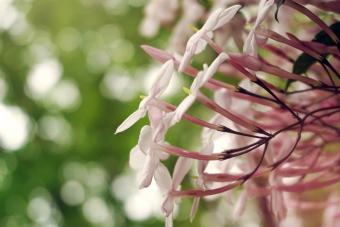
It seems the gardenia is quite the complicated plant. Sometimes it simply dies no matter what its caregiver does. In other cases, the plant thrives and blooms even though it's ignored. If your gardenia's leaves are starting to turn yellow, it could be a sign that your plant is in trouble.
The Gardenia's Basic Needs
Gardenias can be grown indoors or outdoors. They produce beautiful flowers that emit a heavenly fragrance.
This plant prefers:
- Acidic, well drained soil
- Full sun to partial shade
- High humidity
- Proper ventilation
When these basic needs aren't met, the plant begins to fail. Yellowing leaves are usually the first signal that something is wrong.
Reasons Gardenia Leaves Turn Yellow
The first thing you should do if your gardenia's leaves begin to yellow is have some of the plant's soil tested at your local nursery. This will reveal any possible nutritional deficiencies that could cause this problem. Here are some of the most common reasons for the yellowing.
Low on Magnesium
If your gardenia needs magnesium, this will cause the leaves to turn yellow. You can remedy this with a fertilizer high in magnesium, or you can add some Epsom salts to your soil. Mix one teaspoon to one gallon of water and apply every two to four weeks.This practice isn't without its critics, however. Some say there is no evidence to prove that Epsom salts help gardenias or any other plants. One the other hand, countless gardeners swear by using this additive for their gardenias and roses. Give it a try for yourself and see if it helps.
Low on Iron or Manganese
Yellowing leaves can also be caused by insufficient levels of iron or manganese, and this is where a soil test becomes especially useful since the symptoms look the same. Using a balanced fertilizer will remedy this problem no matter which nutrient is missing.
You can also try applying a liquid iron spray directly to the foliage. Miracid is a great product for this problem.

- Mix one teaspoon per gallon of water for indoor gardenias.
- Mix one tablespoon per gallon of water for outdoor gardenias.
- Apply the fertilizer every two to four weeks during the growing season.
Home remedies for acidifying the soil for gardenias include:
- Diluted vinegar: Add one cup of vinegar to one gallon of water, and water the plant with this mix about once a month.
- Pickle juice: Water the plant with pickle juice about once a month.
- Used coffee grounds: Just dump your used coffee grounds under your plants each day. The worms love them too, which is great for your garden.
Poor Drainage
Poor drainage can also cause yellowing, but this is more of a problem with potted gardenias than those planted in the ground. While gardenias love humidity, they do not like to have soggy feet.
It's also not a good idea to mist the leaves for humidity because this can lead to sooty mold on the leaves. The best way to provide humidity for your gardenia is to:
- Create a tray of pebbles.
- Fill the tray with water so the pebbles stick out just above the surface of the water.
- Set the potted gardenias on top of the tray.
This will create humidity while the water evaporates, but it prevents the bottom of the pot from sitting in the water. Be sure the pot has drain holes in the bottom. That way, even if you must water daily, excess water will drain out the bottom so your gardenia won't have soggy feet.
Crowding and Mold
Sometimes a gardenia's leaves turn yellow on one side only. If that's the case, note which side is turning yellow. Gardenias need good air flow around their leaves. If they're planted too close to a building or another shrub, the side facing the object may develop yellow leaves. This may be a sign of a mold or a fungal problem in the early stages. The reduced airflow, combined with the plant's proximity to the object and the resulting reduction of light in that area, can lead to the development of mold. You may need to trim back shrubs, trim the gardenia, or even move it to improve the situation.
Pests
Pests, such as aphids and mites, leave telltale signs in addition to yellow leaves. Look for:
- Damage on the stems of the plant
- Damage on the edges of the leaves
- Webs on the plant that look like thin cotton threads
Watch for pests and treat your plant with an insecticide suitable for gardenias.
Incorrect Temperatures
Incorrect temperatures can cause leaves to turn yellow. The ideal temperature ranges for gardenias is 65 to 70 degrees during the day and 60 to 62 at night. It can be very difficult to keep these temperatures constant outside of a greenhouse environment, and wide fluctuations in temperature or cold spells will lead to yellowing.
Don't Kill Your Plant with Kindness

Keep in mind that your plant's oldest leaves will eventually turn yellow and fall off, and this is a perfectly normal part of growing gardenias. However, it's important to try to keep your gardenia in the same location because these plants do not like being moved around or transplanted. Gardenias actually bloom better when they are slightly root-bound, and they're often happiest when you just leave them alone without providing too much care.